The honest version
Amu’s take
Do not pack for one idea of Xinjiang. A night in Hemu, a city day in Kashgar and a road into the Pamirs have different weather, comfort and access questions. Start with where you will sleep and the longest days on the road, then keep the layers, documents, water and medication you may need where you can actually reach them.
A good fit if…
- International visitors comparing the northern and southern journeys
- Travellers who want realistic preparation rather than a generic packing list
- People joining a multi-stop autumn itinerary
Not ideal if…
- Using one city forecast for every overnight stop
- Assuming a group booking guarantees every optional route or activity
- Leaving health, mobility or dietary needs until the departure day
In this order
Suggested sequence
Separate the journeys
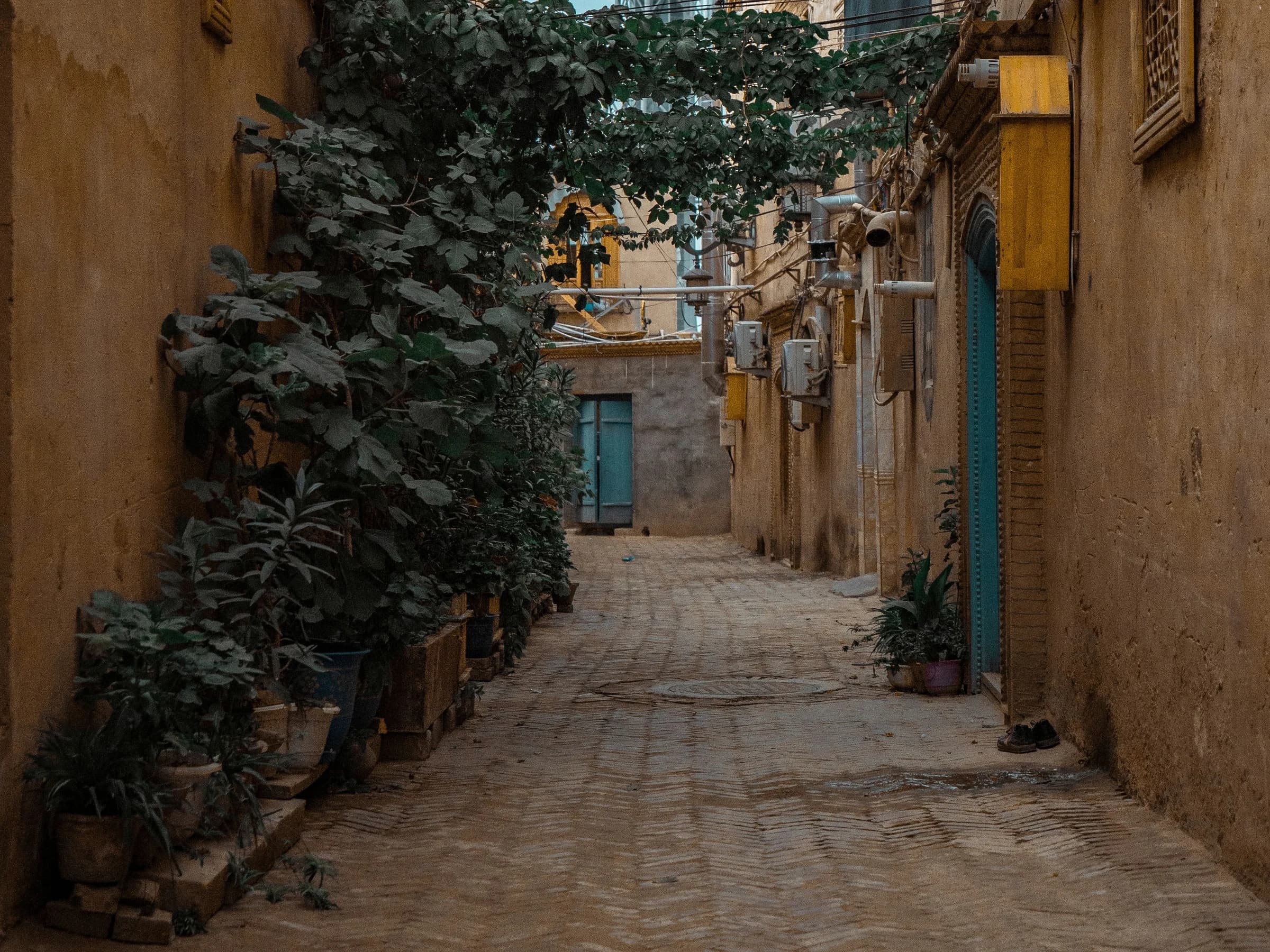
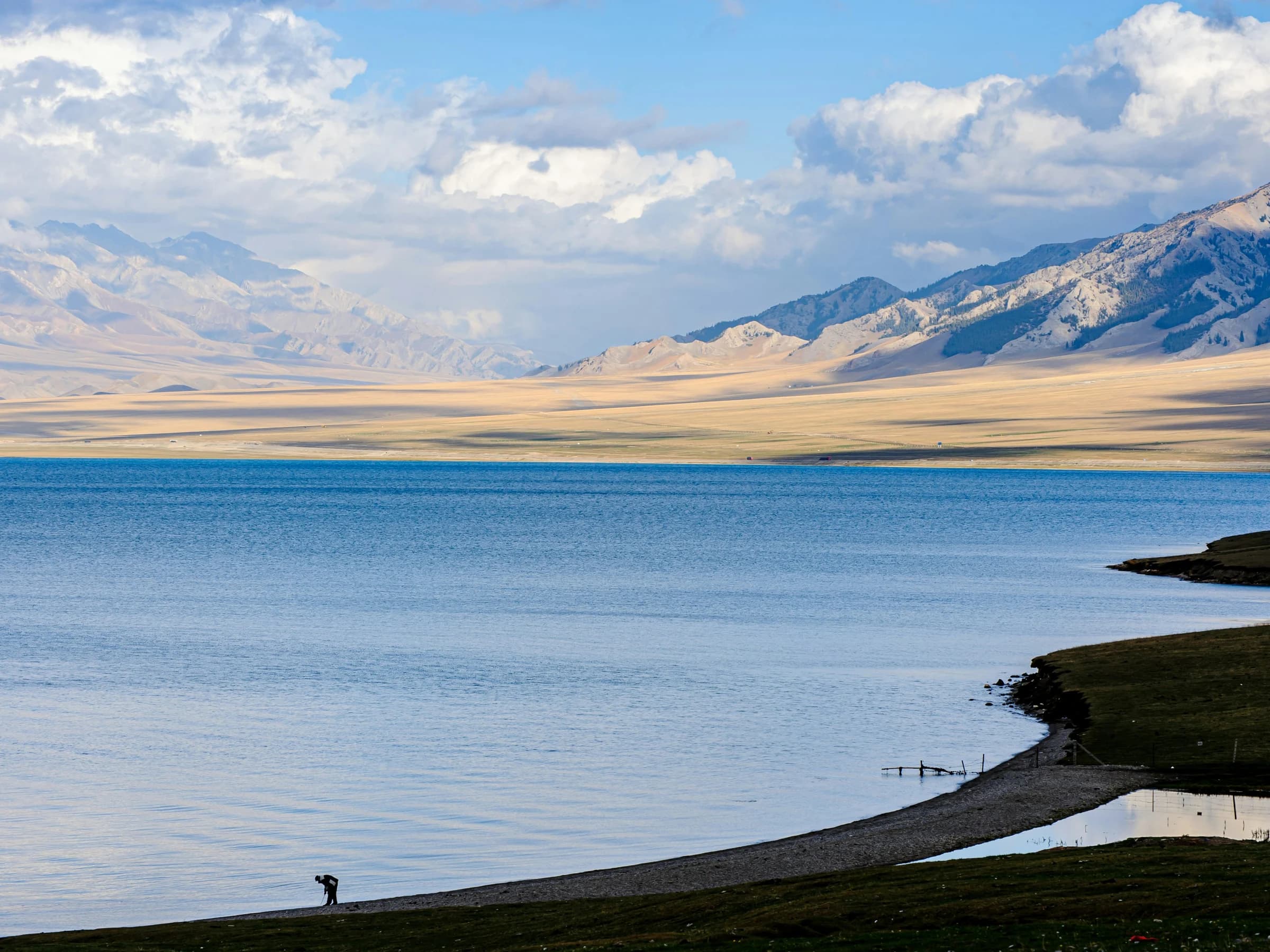
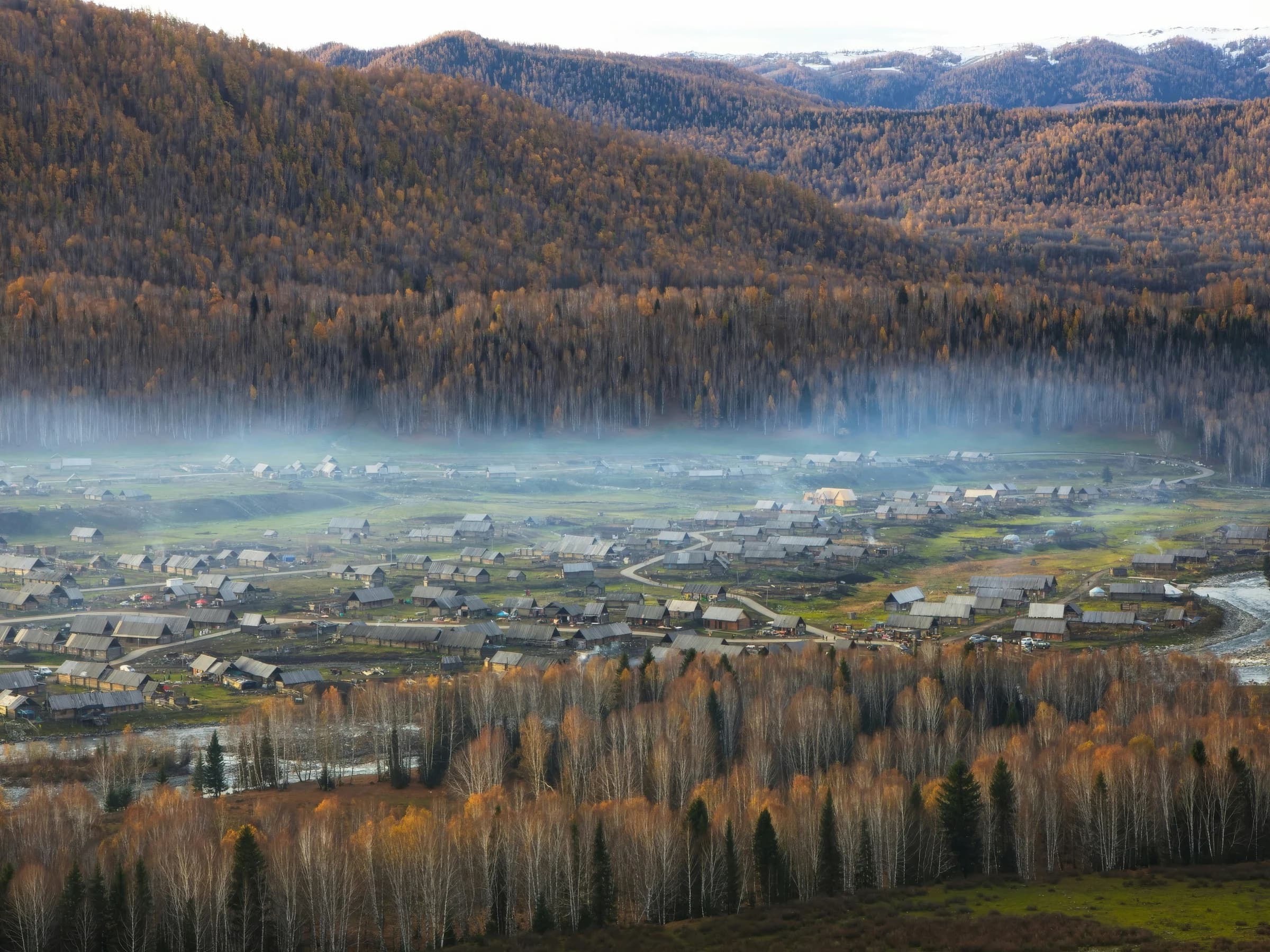
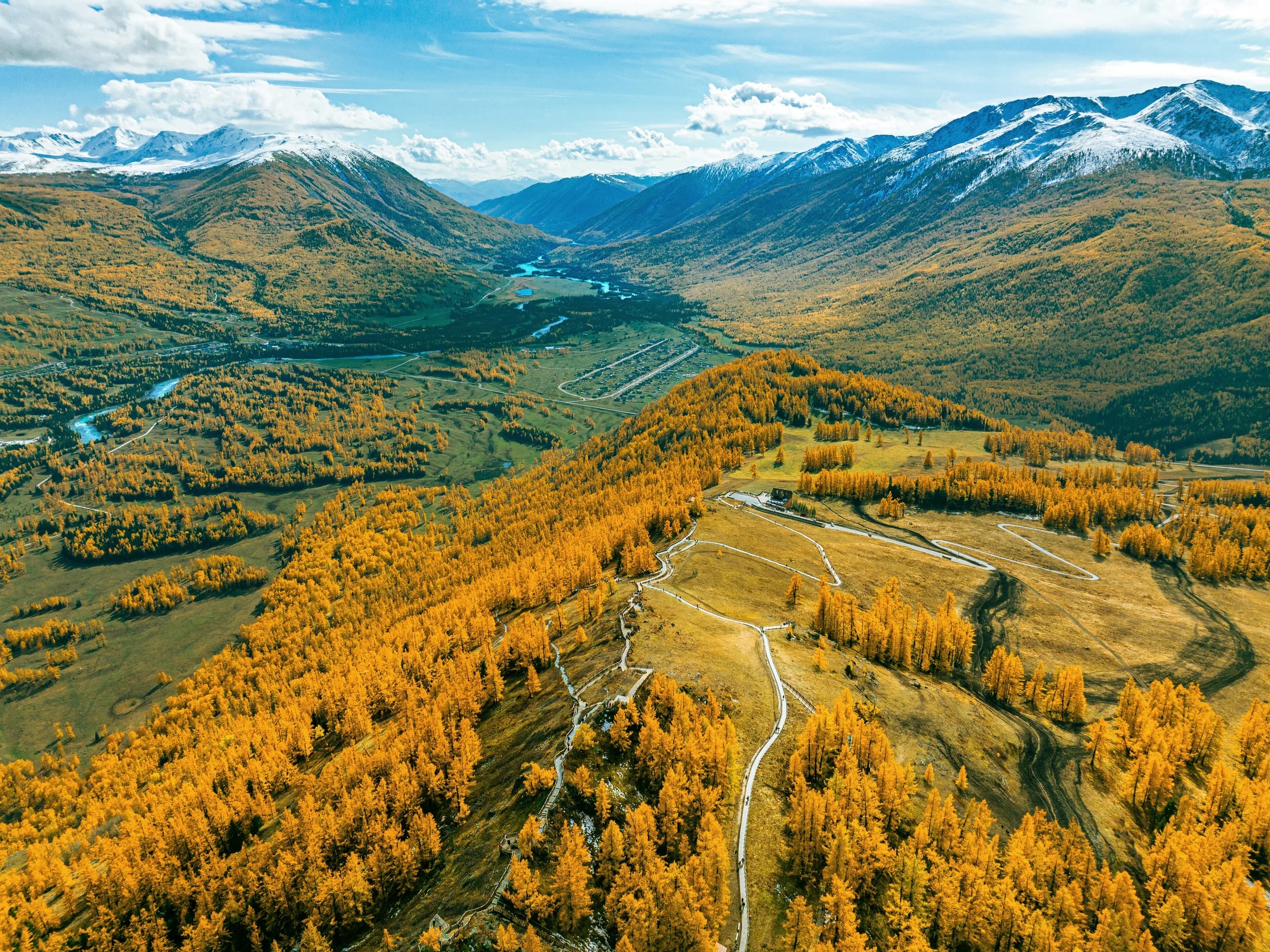
List the overnight stops and the highest outdoor areas. Prepare for Hemu and Kanas, Sayram and Ili, Kashgar and Yarkand, and the Pamirs as different travel environments.
Check entry and local access
Confirm national entry conditions separately from route-specific access. Ask what applies to your passport, dates, main route and every optional side trip.
Build reachable layers
Pack a base layer, insulation and a wind-resistant outer layer for the latest forecast. Keep the layer needed during roadside stops in a day bag, not under the bus.
Review the long road days
Ask about breaks, toilet opportunities, meals, luggage handling and the fallback when a road or attraction cannot be used. Share motion-sickness and mobility concerns early.
Prepare for offline moments
Save essential addresses and contacts, arrange more than one way to pay and carry an accessible backup of booking information.
Treat altitude separately
Review sleeping elevations, the pace of ascent and the plan for illness. Fitness and warm clothing do not prevent altitude illness; seek individual medical advice when appropriate.
Protect the plan
Transport buffers
- Protect transfer days from a chain of optional photo stops.
- Leave margin before flights and fixed connections.
- Agree on weather and access alternatives before departure.
What to skip
- A single Xinjiang-wide weather forecast
- New shoes that have not been walked in
- Any optional high point that does not suit how a traveller feels that day
Backup plan
When weather, access or a traveller’s condition changes, reduce the route before removing every break. Keep one lower, shorter or indoor alternative for exposed days and make clear who can change the plan.
Small details, large difference
Good to know
- Save hotel names, addresses and meeting points in Chinese before the journey.
- Keep a warm layer, water, sunscreen, lip balm and personal medication in your day bag.
- Ask for the expected door-to-door day, including breaks, toilets and meals—not only driving time.
- Confirm which clock the group uses; official schedules use Beijing time, UTC+8.
- Send passport copies only through the organiser’s agreed private channel, never the group chat.
- Recheck current forecasts and departure-specific arrangements close to travel.
Northern Xinjiang is built around long transfers, village accommodation, lakes and exposed outdoor stops. The southern route combines Kashgar and Yarkand with desert travel and a rapid rise into the eastern Pamirs. The same coat and the same daily rhythm will not answer every part of either journey.