Start here
Arrival essentials
A short Shanghai stay works when the arrival system is solved before the sightseeing begins. Set up payment, navigation, the hotel address and one airport-to-hotel route; then give each day one coherent side of the city instead of collecting landmarks.
Confirm entry permission and use the official arrival card
A visa-free transit is not the same as ordinary visa-free entry. Check your passport, route, onward ticket and permitted area with the National Immigration Administration. The official online Arrival Card is free; paid look-alike sites are not official.
Make one payment method work, then keep a backup
Link an international card to Alipay or Weixin Pay before departure and make sure your bank will approve it. Keep a physical card and some RMB as backups rather than relying on one app.
Save the hotel in Chinese and make navigation work offline
Keep the hotel name, full Chinese address and phone number as a screenshot. Install AMap and a translation app, then save the hotel and airport route before landing in case account verification or mobile data is slow.
PVG
Pudong International Airport
Choose around arrival time, luggage and the location of the hotel. The fastest-looking option is not always the simplest door-to-door route.
- Taxi
- About 50 min / ¥180 to People’s SquareLate arrival, heavy luggage, two or more people. Traffic can change both time and fare.
- Metro Line 2
- About 1 hr / ¥7 to People’s SquareDaytime, light luggage, lowest cost. Check the last-train time on the day.
- Maglev + metro
- Maglev ends at Longyang RoadYou want the maglev experience or stay near east Shanghai. It still needs a metro or taxi transfer.
SHA
Hongqiao International Airport
Hongqiao is closer to central Shanghai, but the correct metro line depends on the terminal. Confirm T1 or T2 before choosing the route.
- Taxi
- About 30 min / ¥100–150 to the centreLate arrival, luggage, door-to-door ease. Allow more time in peak traffic.
- Metro
- T1: Line 10 · T2: Lines 2 and 10Daytime and your hotel is near Line 2 or 10. Confirm your terminal before choosing a line.
24 hours
24-hour itinerary
One coherent route through three connected versions of Shanghai. Keep the day on the west side of the river and let the sequence move from older lanes to lived-in streets and finally the skyline.
Morning
Old City + Yu Garden
Visit the garden only if its hours and ticket suit you; the surrounding lanes still work as a compact first look at older Shanghai.
Afternoon
Huaihai Road into the former French Concession
Choose two or three connected streets—Fumin, Changle, Wukang or Anfu—not every saved café and shop.
After dark
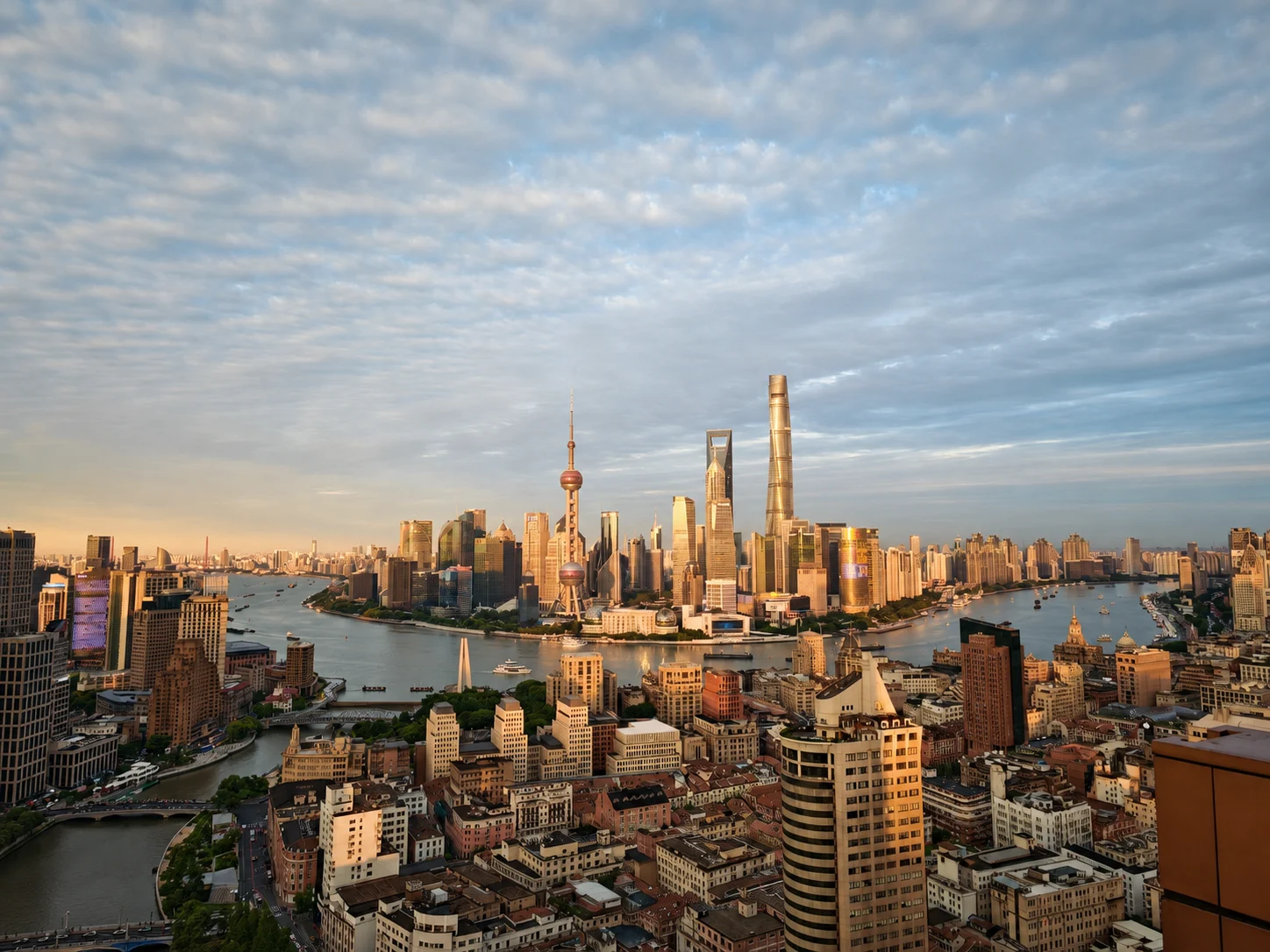
The Bund
Let Pudong be the view. You do not need an observation deck and a river crossing on the same short day.
48 hours
48-hour itinerary
Use the 24-hour foundation, then give the second day to local streets. The first day establishes the classic city. The second day slows down around Xuhui and Jing’an instead of repeating waterfront landmarks.
Builds on the earlier planDay 1 follows the 24-hour route: Old City and Yu Garden, connected former French Concession streets, then the Bund after dark.
Day 1
Follow the 24-hour route
Keep Old City, Huaihai Road and the Bund on one continuous day. Add East Nanjing Road only if its lights and first-visit energy appeal to you.
Day 2 · Morning
Xuhui streets at walking pace
Choose two or three connected streets around Wukang, Anfu, Changle or Fumin. Let architecture, cafés and small shops shape the route rather than a saved-place checklist.
Day 2 · Afternoon and evening
Continue into Jing’an
Choose one temple, museum or exhibition, leave room for an unplanned meal, and finish without crossing the city again. A ferry or Pudong riverside walk is optional, not required.
72 hours
72-hour itinerary
Keep the 48-hour plan, then choose one genuinely different third day. Do not turn the extra day into three partial excursions. Stay deeper in Shanghai or make one day trip, with enough margin for the return.
Builds on the earlier planDays 1 and 2 use the complete 48-hour plan above. Only Day 3 changes: choose the in-city option or the single day-trip option.
Day 3 · Stay in Shanghai
Suzhou Creek → M50 → North Bund
Use a slower urban day for contemporary art, industrial traces and long waterside walking. It works well after two landmark-heavy days and is easy to shorten for weather or energy.
Day 3 · One day trip
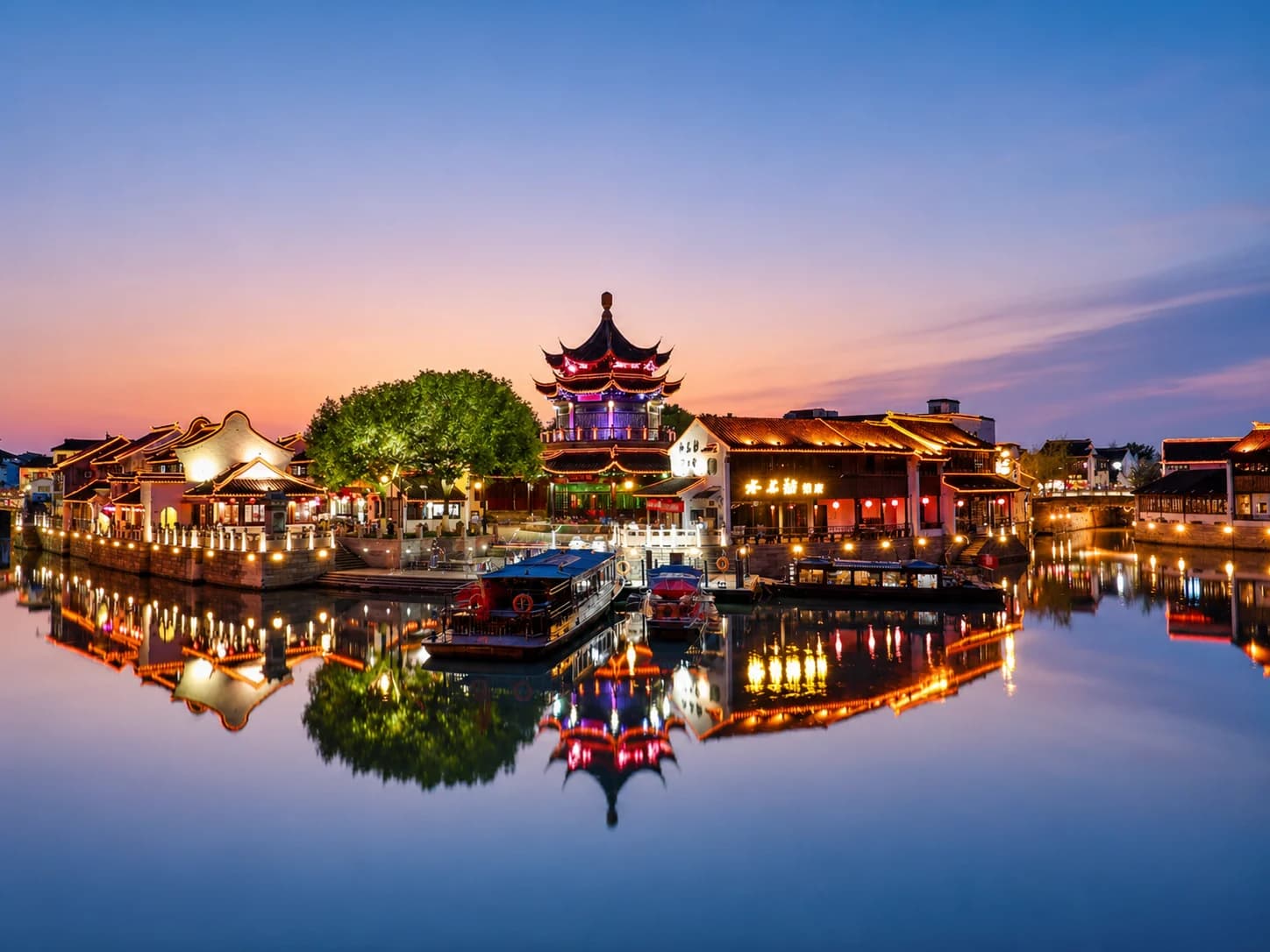
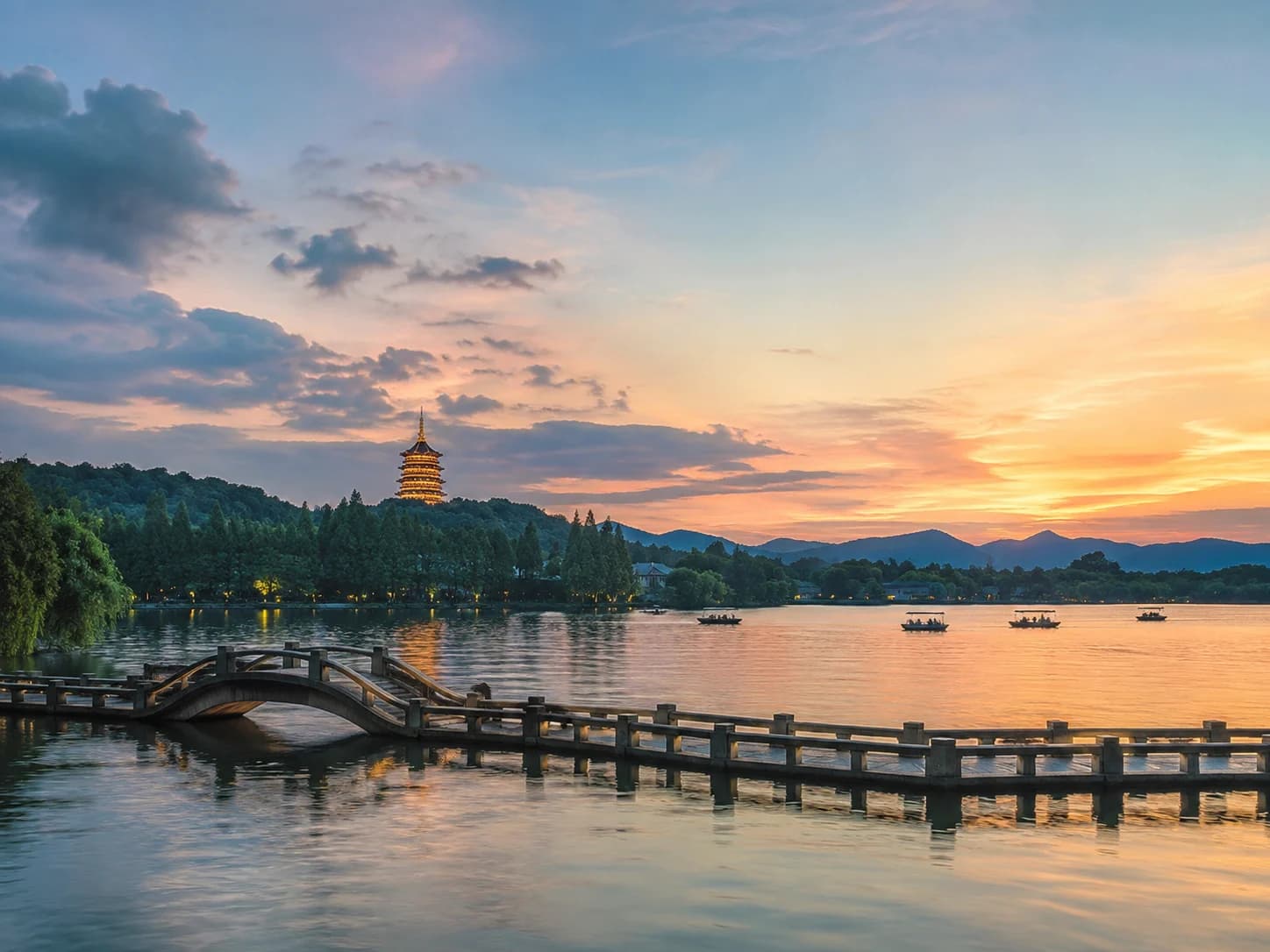
Suzhou for one garden and one canal area
Choose Suzhou when classical gardens and a compact cultural day matter more than another Shanghai neighbourhood. Book the trains with station time in mind and resist adding a second city.
Flight-day rule
Do not day-trip before an international flight
Keep the third day in Shanghai when luggage, weather, train tickets or an evening departure makes the return margin uncomfortable.
Choose the base
Where to stay
For a short stay, the right area and metro connection matter more than a famous hotel name.
People’s Square / East Nanjing Road
A first visit with very little time
MovementEasy access to the Bund, museums and multiple metro lines.
Trade-offBusy, bright and less calm at night.
Jing’an
The best all-round base
MovementStrong transport, food and a comfortable mix of central and local life.
Trade-offYou will still travel east for the river sights.
Xuhui / Former French Concession
Walking, cafés, architecture and slower mornings
MovementThe most pleasant base when neighbourhood time matters more than landmarks.
Trade-offChoose a hotel near a metro station; the area is large.
Pudong
Business trips and tower views
MovementConvenient for Pudong offices and the east-bank riverfront.
Trade-offLess rewarding for an unplanned evening walk.
Hongqiao
An early flight or high-speed train
MovementProtects transfer time around the airport and railway hub.
Trade-offNot the best sightseeing base for a first short stay.
Use context
Keep / Skip
A famous sight is not automatically a mistake. Keep it when it earns the time; skip it when it makes the route fragile.
Nanjing East Road
KeepKeep it for a first visit, especially after dark or on the walk back from the Bund.
SkipSkip a dedicated shopping block if crowds and global brands are not why you came.
Observation decks
KeepChoose one if being above the skyline is a priority and visibility is good.
SkipSkip when the Bund view is enough; the most recognisable towers will be in front of you, not beneath you.
Sightseeing Tunnel
KeepKeep it only if the kitsch light-show ride itself sounds fun.
SkipUse the metro or ferry when your real goal is simply crossing the river.
Disney, the Planetarium or a water town
KeepGive any one of them most or all of a day when it is a genuine trip priority.
SkipDo not attach one to the end of a central Shanghai route; distance and queues make the day fragile.
Transport and attraction passes
KeepBuy after comparing the places you will actually enter and the rides you will actually take.
SkipDo not buy because a bundle claims a large saving; a short stay often uses fewer inclusions than expected.
Protect tomorrow
Late-arrival backup
Use the time you are actually inside the hotel—not the scheduled landing time—to choose the first evening.
before 16:00
Take one neighbourhood, then one night view.
Walk near the hotel, eat without a reservation, and finish at the Bund or a nearby riverfront after dark. Do not turn the arrival day into a full itinerary.
16:00–19:00
Dinner first. Keep one optional finish.
Choose a reliable dinner near the hotel. If your energy is good, add a skyline walk; if not, move it to tomorrow without losing anything important.
after 20:00
Stop solving Shanghai tonight.
Check in, confirm tomorrow’s first stop, charge your phone and sleep. A rested morning is worth more than a rushed late-night crossing of the city.
Open the authority
Verify before travel
These sources are maintained by the authority responsible for the rule or service. Each checked date below is manually maintained, not generated at build time.
Current 240-hour visa-free transit policy
Confirm eligible nationalities, ports, permitted areas, onward-ticket rules and the difference between direct transit and temporary entry.
National Immigration Administration · Checked Sep 2, 2026Official online Arrival Card guidance
The official online service is free. This guidance links to the NIA form and explains the alternatives available at ports of entry.
National Immigration Administration · Checked Sep 2, 2026Traveling between Shanghai’s airports and the city centre
Terminal-specific metro, taxi, bus and airport-to-airport information, including working reference times and fares.
Shanghai Municipal Government · Checked Sep 2, 2026Payment methods for overseas visitors
Current official guidance for international cards, cash, Alipay, Weixin Pay and e-CNY.
Shanghai Municipal Government · Checked Sep 2, 2026How to take the Shanghai Metro
Current fares, contactless international cards, single tickets, passes and the Airport Link Line’s airport-to-airport role.
Shanghai Municipal Government · Checked Sep 2, 2026Useful answers
Frequently asked questions
Is 24 hours enough for Shanghai?
It is enough for one coherent first look, not the whole city. Stay central, protect airport time and choose either an observation deck or a neighbourhood walk—not both plus a day trip.
Do I need Alipay or WeChat Pay?
Not for every transaction. Shanghai officially supports cash and international cards in many settings, and the metro has several card and ticket options. Setting up one mobile-payment app is still useful, but keep a second way to pay.
Should I buy a one-day or three-day metro pass?
Only after counting your likely rides. As manually checked on 2 September 2026, the metro-only one-day pass is ¥18 and the three-day pass is ¥45, with exclusions. Tapping an eligible contactless international card can be simpler for a light itinerary.
Should I use the third day for a day trip?
Suzhou is the clearest single day-trip option for classical gardens and a compact cultural day. Keep the third day in Shanghai if you have a flight, uncertain weather or no comfortable train margin.